
The Language
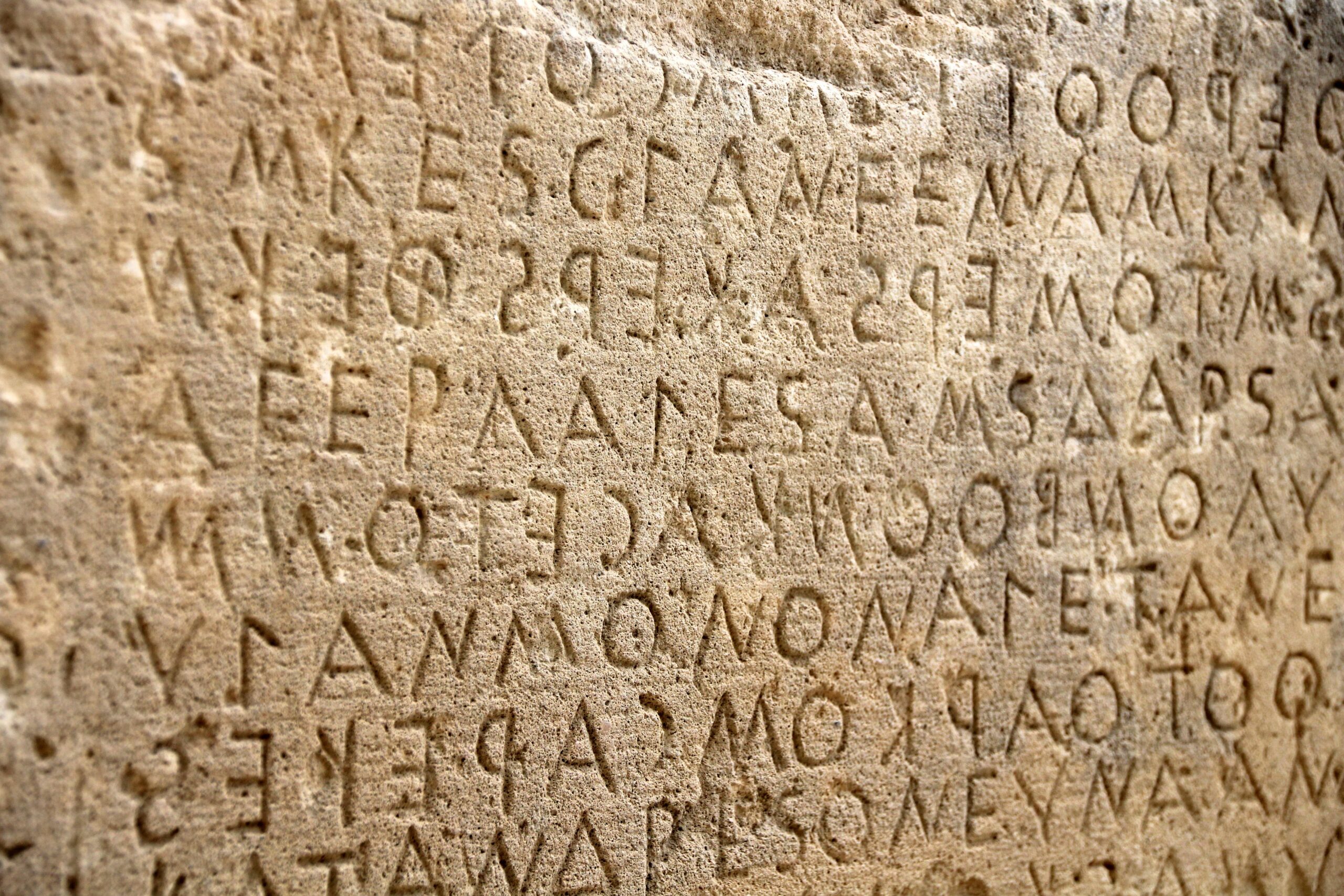
Koiné Greek (from koinē, meaning “common”) developed after the conquests of Alexander the Great (4th century BC). His empire spread Greek culture across the eastern Mediterranean, where local dialects merged into a simplified, widely spoken form of Greek. From around 300 BC to AD 300, Koiné served as the lingua franca for trade, politics, literature, and daily life across Greece, Egypt, the Middle East, and Asia Minor. Over time, it evolved into Byzantine and later Modern Greek, but it remained the language of the people for centuries.
Koiné in the Ancient WorldSacred Texts
The Jewish Scriptures were translated into Koiné (the Septuagint) around 250 BC. All of the New Testament was written in Koiné, making it the language of early Christianity.
Secular Works
Historians such as Polybius, philosophers like Epictetus, and Roman leaders such as Marcus Aurelius (Meditations) also wrote in Koiné. It truly was the shared language of the ancient world.
Why Learn Koiné Greek Today?
Read the Bible in its Original Words
Koiné allows readers to encounter the New Testament and Septuagint without relying only on translations. Words like logos (word), agapē (love), and euangelion (gospel) carry rich layers of meaning best appreciated in the original.
Cultural Literacy
Beyond Scripture, Koiné unlocks a vast body of ancient history, philosophy, and everyday writings such as letters and inscriptions.
Sharper Thinking
Learning any language boosts memory and problem-solving; Koiné also connects learners to Greek roots in modern science, philosophy, and theology.
Why It’s Important
Koiné Greek is more than just an academic pursuit. It’s the voice of the New Testament, the language of history, and a key to Western heritage. Families, churches, and individuals who learn Koine connect not only with Scripture but also with the living words and thoughts of the ancient world.